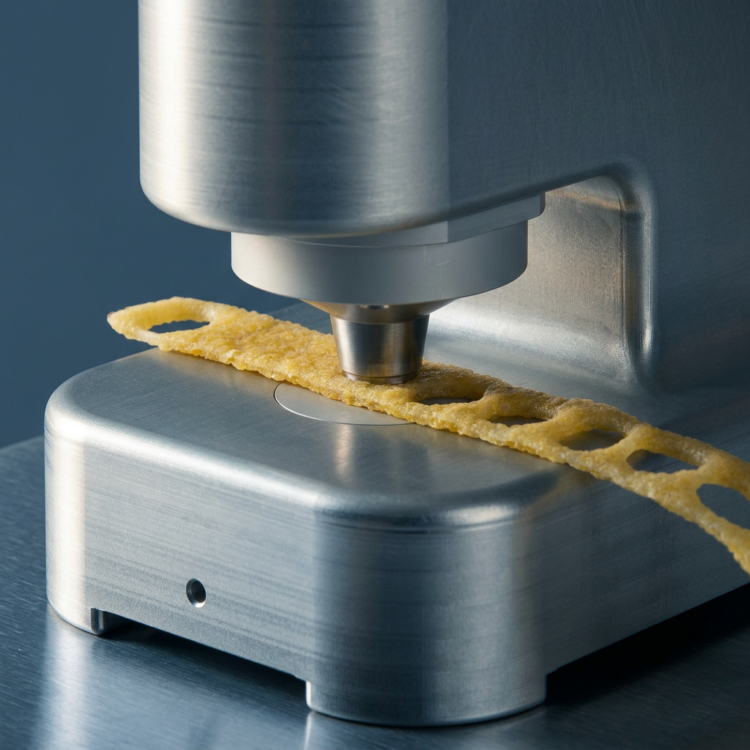
Mooney Specimen Cutting Die
Available for quotation
Need help selecting the right configuration? Speak to our team to get the best configuration for you.
Mooney Specimen Cutting Die
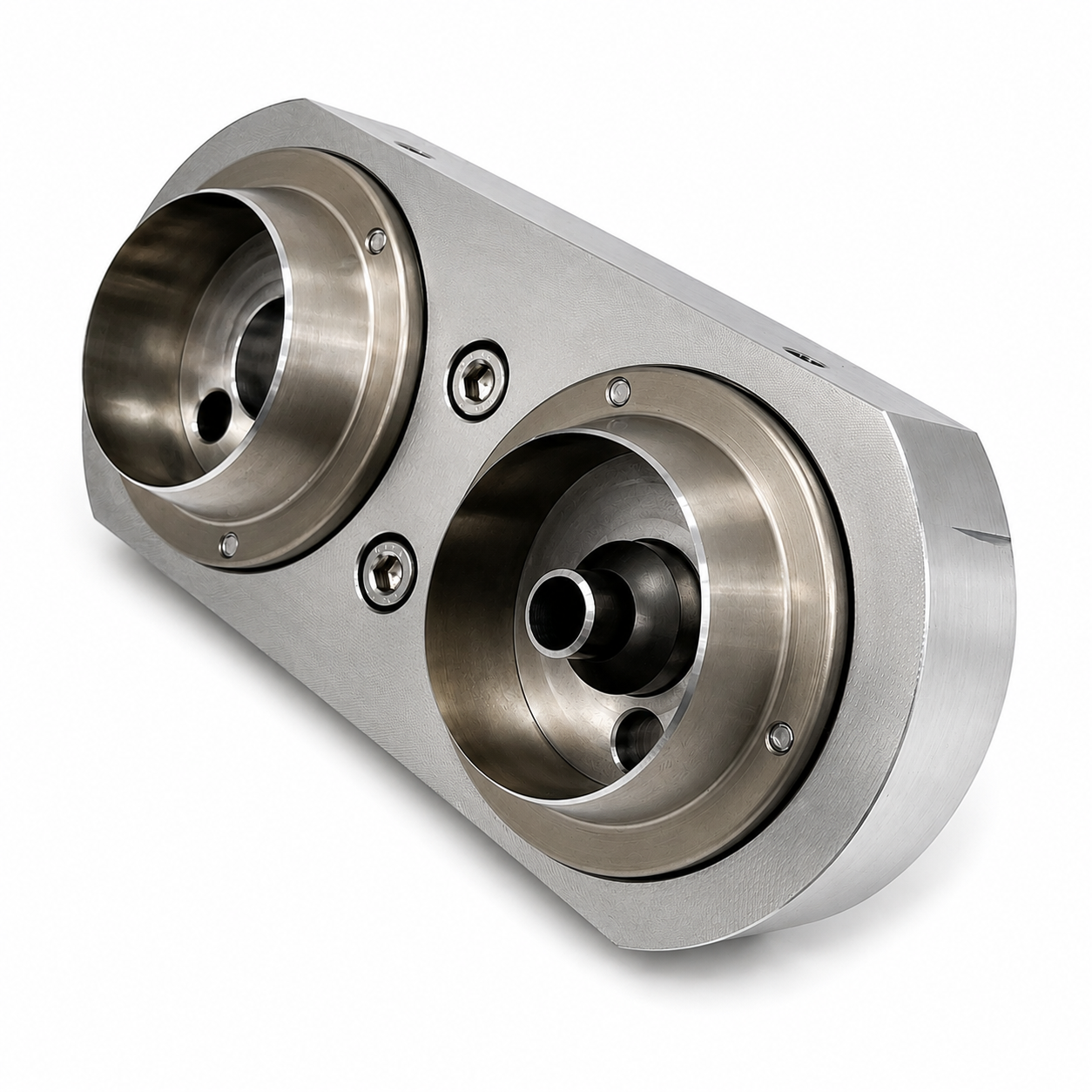
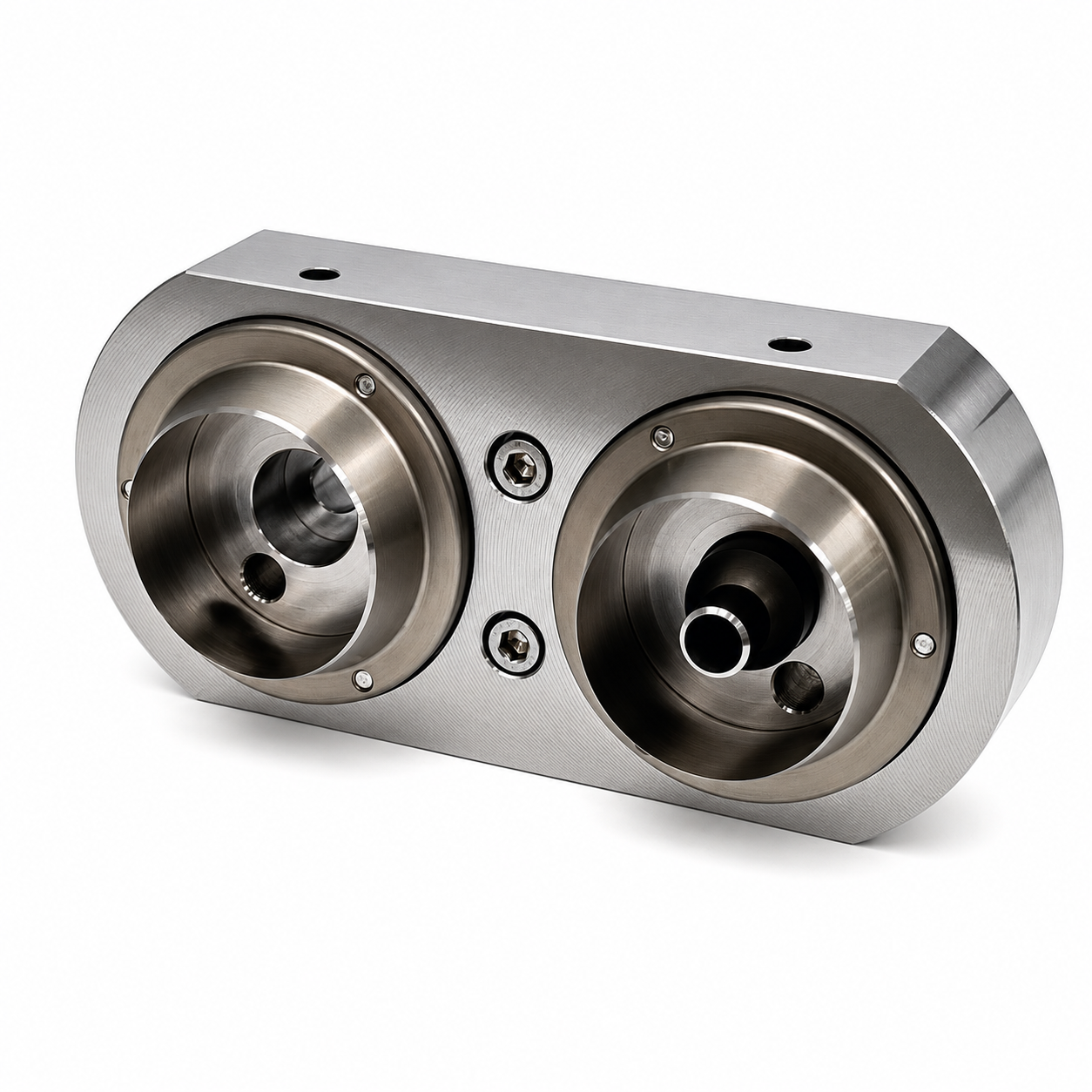
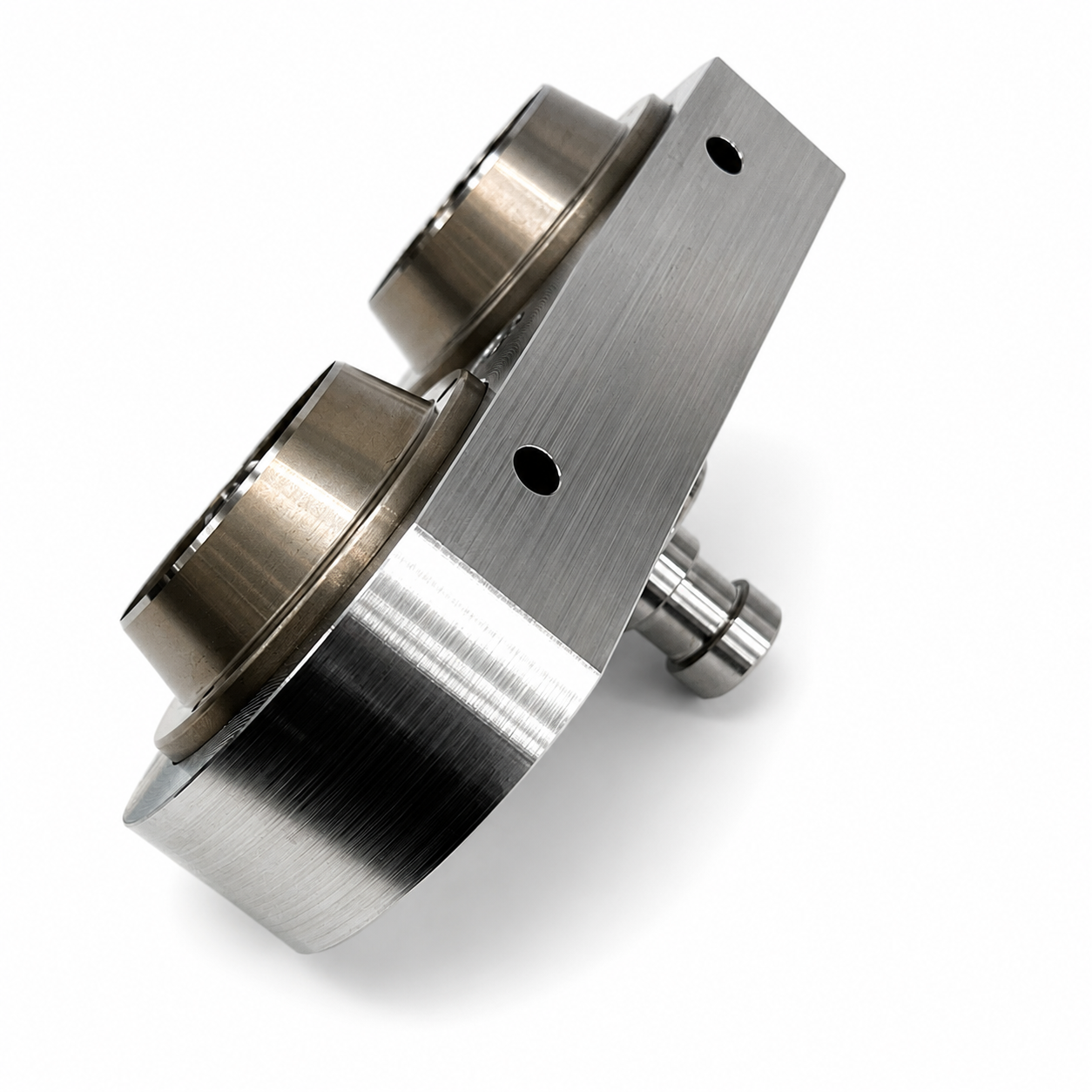
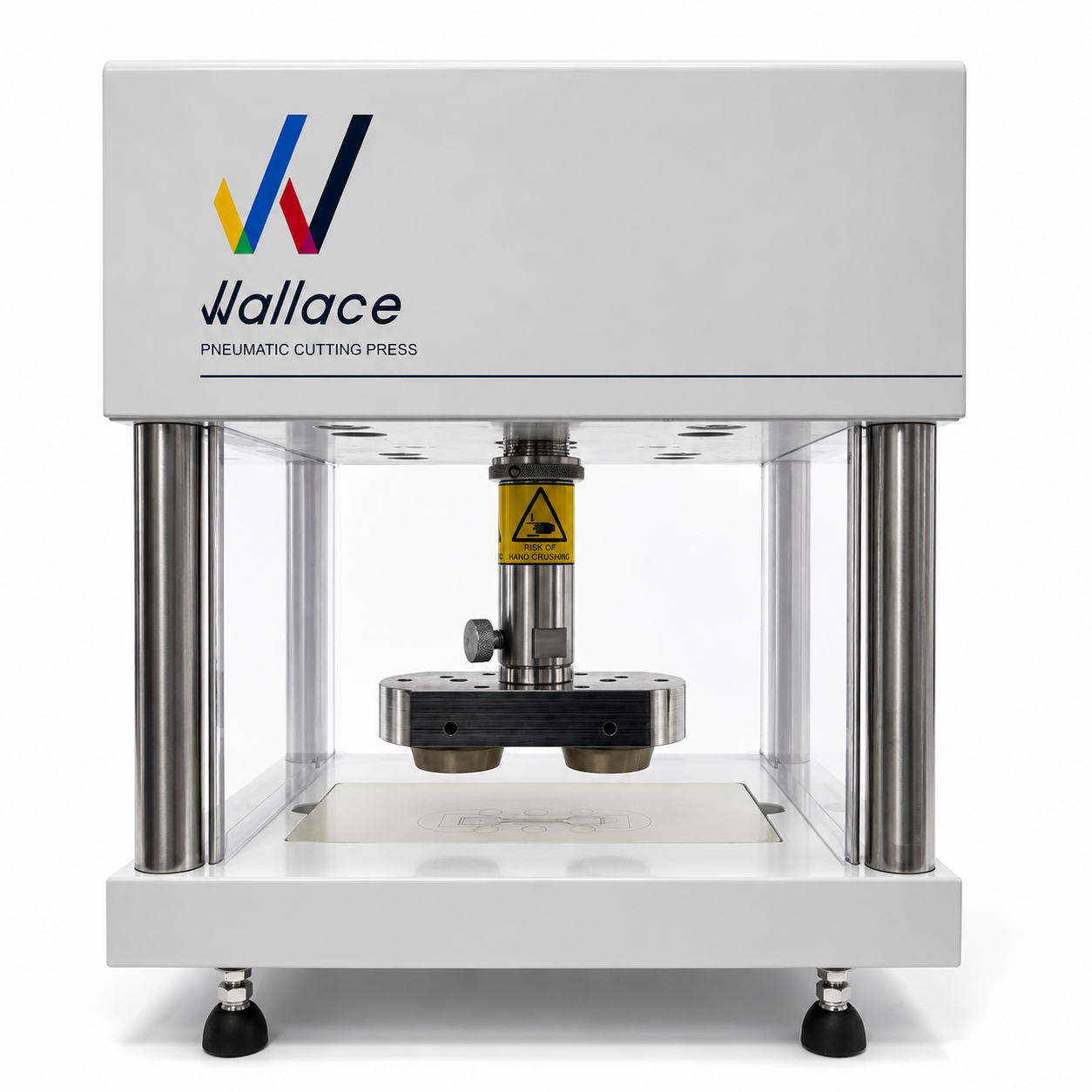
Our circular dual cutting die for Mooney viscosity testing gives you both upper and lower specimen samples simultaneously, and can be used with either our manual S1 Specimen Cutting Press or the S3 Pneumatic Cutting Press.
- Product Name
Mooney Specimen Cutting Die
- Overview
This is a circular cutting die that can be attached to either our manual S1 or pneumatic press S3 in order to cut uniform samples of the correct size and shape before they are placed into the Mooney Viscometer. It’s important to use the correct cutting die to ensure Standard-compliant testing and reliable quality control in rubber processing. This cutting die will produce both the upper and lower specimen sample simultaneously.
- Standards
ASTM D1646, ISO 289-1 ????
- Application
This dual cutting die is used to prepare rubber and elastomer samples for Mooney Viscosity testing.
- Typical Lead Time
4-6 weeks (to be confirmed at time of quoting)
- Certificate of Conformity
Provided upon request.
Specifications
| Wallace Mooney Specimen Cutting Die | |
| Part Number | WAS6/15-M |
| Shape | Circular |
| Diameter (mm) | 4.5 ± 0.5 mm ø |
| Height / Depth (mm) | ~10–25 overall die height |
| Weight | ???kg |
| Operating Temperature | 5 to 40°C; Altitude 2000m maximum |
| Humidity Range | 10 to 80% RH non-condensing |
-
The die is designed primarily for uncured rubber compounds, natural rubber, synthetic rubber, and rubber masterbatches used in Mooney testing
-
The standard specifies specimen dimensions to ensure consistent test results. Using the correct die helps maintain repeatability and comparability between laboratories.
-
What is the best cutting board surface the should be used?
A suitable cutting surface such as polyurethane, polyethylene, or end-grain cutting board material is recommended to protect the cutting edge of your specimen cutting die. -
Periodic inspection is recommended, especially in high-volume laboratories, to ensure continued dimensional accuracy.
-
Remove rubber residue after use with a soft cloth and an appropriate cleaning solvent compatible with the die material.
-
Sharpening frequency depends on usage volume and material hardness. A dull die may produce ragged specimen edges and therefore non-standard compliant test samples. We would recommend contacting us to have your cutting die serviced promptly.
-
Common causes include a dull cutting edge, insufficient cutting force, an unsuitable cutting surface, or rubber sticking to the die. Contact us to organise a service of your cutting die or to purchase a replacement cutting board.
-
Check for die wear, improper press alignment, uneven cutting pressure, or material movement during cutting. If you are unsure contact us for additional help.
Products you might also want to consider
PRI Aluminium Dishes
P14 Rapid Plastimeter Calibration Kits
Accessories, Flex Testing, Hardness, Specimen Preparation